ID Insights

Discover the latest insights and industry expertise on cutting-edge ID badging software, visitor management solutions, and industry-specific identification practices on IDentiphoto Company’s ID Insights blog.


For decades, ID badges have been a simple and effective way to control access to and within buildings.

An employee taps a badge.
A door unlocks.
The system logs the event.

Because the process works so seamlessly, many organizations rarely think about the technology behind the credential.

The reality, however, is that a large percentage of access credentials still in use today were designed more than thirty years ago. While cybersecurity defenses have evolved rapidly, many physical access control systems continue to rely on credential technologies that offer little protection against cloning or unauthorized duplication.

At the same time, buildings themselves are becoming smarter. Access control systems are increasingly integrated with identity management platforms, surveillance systems, and operational technologies across the organization.

As this ecosystem grows, the risks associated with legacy badge technologies are becoming increasingly difficult to ignore.

The Security Problem with 125 kHz Proximity Cards
Low-frequency 125 kHz proximity cards, commonly known as Prox cards, remain one of the most widely deployed access credentials in North America.

They gained popularity because they were simple, reliable, and inexpensive to deploy. For many years, they served organizations well as a convenient replacement for mechanical keys.

However, they were never designed to defend against modern security threats.

Proximity cards operate by transmitting a fixed identification number to a reader. If the information matches a credential stored in the access control database, the system grants access.

The identifier itself is not encrypted.

If someone captures that number, it can be copied.

Devices capable of reading and duplicating Prox credentials are inexpensive and widely available. Security researchers and physical security professionals have repeatedly demonstrated how easily these cards can be cloned using handheld RFID tools.

From the perspective of the access control system, the copied credential is indistinguishable from the original card.

That means a cloned badge can unlock doors, trigger access events, work in additional systems utilizing the cards, and appear in security logs under the identity of the legitimate employee who owns the badge.

A Real-World Example of Credential Cloning
Security analysts have repeatedly demonstrated the weaknesses of legacy proximity cards.

In one widely referenced physical security test, researchers used a low-cost RFID cloning device to copy several proximity credentials used in real facilities.

The cloned cards worked immediately.

Doors unlocked.
Access events were logged normally.
The systems treated the duplicated cards as legitimate credentials.

From the system’s perspective, nothing unusual occurred.

In reality, however, two identical credentials now existed, and the organization had no reliable way to determine which one was used.

This is one of the most significant concerns with legacy credential technologies. Once cloning occurs, accountability is lost.


Why Modern Security Ecosystems Raise the Stakes
The risks associated with weak credentials become even greater as organizations move toward interoperable security systems.

What are interoperable security systems? Interoperable security systems are security technologies designed to work together seamlessly, even if they come from different manufacturers or platforms.

Instead of operating in isolation, these systems share data, communicate in real time, and coordinate responses.

Access control platforms today rarely operate as standalone systems. Instead, they are integrated with a wide range of technologies across the organization, including:

  • Video surveillance platforms
  • Visitor management systems
  • Human resources and identity governance platforms
  • Building automation systems
  • Incident management tools

These integrations allow organizations to automate provisioning, manage identities more efficiently, and improve operational visibility across facilities.

But they also mean that a compromised credential can impact multiple systems simultaneously.

A cloned badge may not simply unlock a door. It could also generate inaccurate identity records, trigger automated building events, or grant unauthorized access to multiple restricted areas.

As organizations build more connected security environments, the strength of the credential itself becomes more critical.

ID Cards Are Now Used for Much More Than Doors
Credential technologies such as HID SEOS provide strong encryptionand allow a single badge to securely support multiple services throughout an organization. Prox technology can also support multiple functions, but if compromised, the cards will work across all associated systems, making encryption critical in today’s security and IT ecosystems. 

In many environments today, ID cards support functions such as:

  • Time and Attendance Management
  • Healthcare Identification and Medical Workflows
  • Cashless Payments
  • Visitor Management
  • Logical Access
  • Smart Printing

Many organizations are also deploying multi-technology credentials that combine several chip technologies on a single badge. This enables organizations to support multiple systems at the same time while gradually transitioning to newer technologies. These cards also make it easier to move from legacy access control readers to models that support more secure technologies. Large organizations often need to replace thousands of readers, and the new generation of access control readers, such as HID Signo, can support both legacy technology (Prox) and newer, more secure technology (HID SEOS) simultaneously during the transition. 

For example, a single card may support secure building access, secure printing, and payment systems, while still maintaining compatibility with older infrastructure during transition periods.

Organizations exploring these strategies can learn more about this approach in this article: The Power of Combining Technologies on ID Cards for Enhanced Functionality

When a credential becomes the key to multiple operational systems, protecting that credential becomes significantly more important.

A cloned badge no longer represents only a door access problem. It can affect time and attendance, operational systems, and identity records across the organization.

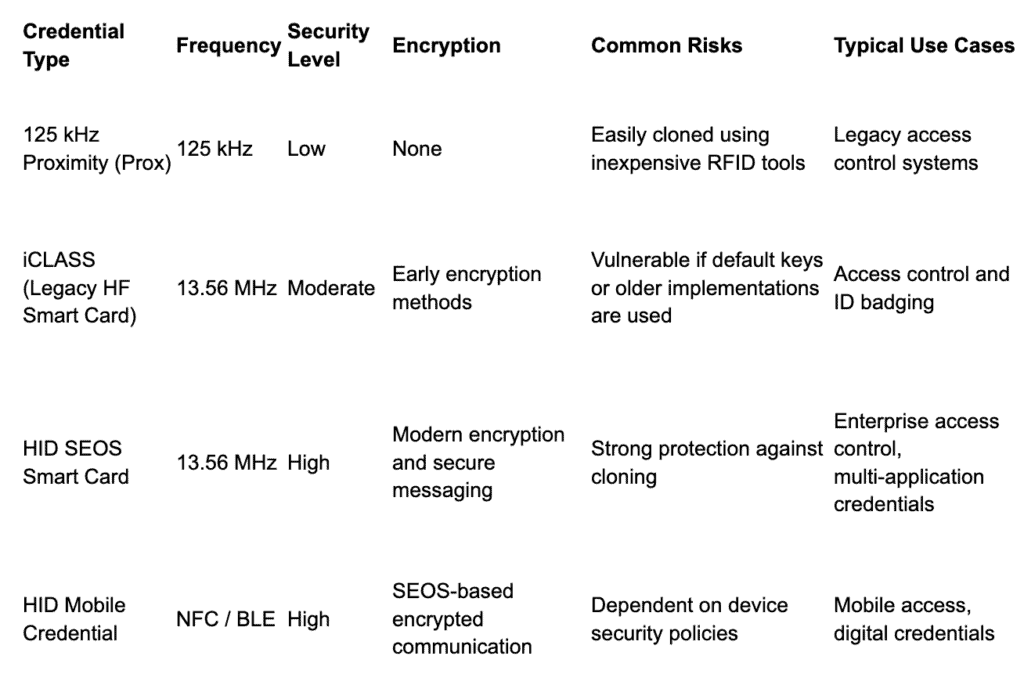
Credential Technology Comparison
As organizations evaluate upgrades, it helps to understand the differences between common credential technologies.

CredentialSecurityMain ConcernBest For
ProxLowEasy cloningOlder systems
iCLASSMediumWeak older configsStandard badging
SEOSHighVery strong securityEnterprise access
MobileHighDepends on phone securityPhone-based access

Stay tuned for part two, where we discuss why organizations are migrating to secure smart credentials and how that helps their future strategy. Then, part three will discuss mobile credentials. 

Not sure where to start? If you would like to discuss your organization’s ID program, security goals, or upcoming projects, we would be happy to help. Call (800) 860-9111, contact your ID consultant, or Contact Us to schedule a consultation and explore the options available for your environment.

ABOUT THE AUTHOR: Since starting in 2015, Bill Eglet has become a seasoned professional who has served as Vice President of Sales and Marketing in the Identification industry. With extensive experience, Bill has unmatched expertise in ID badging, visitor management, and broader identification solutions. His insights offer valuable perspectives for navigating the complex world of identification technologies and industry trends, helping you stay ahead in this constantly evolving field.

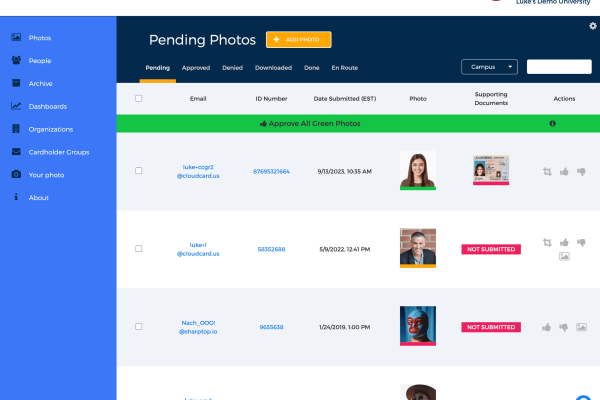
Whether you’re onboarding new hires, refreshing headshots, or rolling out new access credentials, the traditional photo process can slow everything down. RemotePhoto AI changes that—making ID photo capture fast, remote, and effortless.

How does it work?
This smart, seamless software streamlines photo submission from start to finish. Users snap and submit high-quality photos from any device, guided by real-time AI to get it right the first time. Meanwhile, your team gets full control and consistency—without the hassle of cameras, appointments, or manual review.


Key Features:

Admin-Friendly Dashboard
Manage submissions effortlessly from a secure web-based dashboard. View, approve, reject, and export photos with no cameras, appointments, or manual processing involved.

Guided Photo Submission
Send users a secure link by email or text. They can snap and submit a photo using any smartphone or webcam, with real-time AI feedback to help them meet your standards on the first try.

Automated Review & Feedback
Eliminate blurry, off-spec submissions. The AI instantly flags issues and prompts users to retake photos—before they ever reach your team.

Professional Background Removal
Ensure every photo looks polished and consistent with automatic background removal and standardization—no manual editing required.


???? Why Organizations Are Making the Switch

Manual photo workflows are inefficient and outdated. Remote Photo Capture eliminates common headaches and puts you in control of the process.

Use Cases Include:

  • Rebadging employees during rebrands or access control upgrades
  • Updating headshots for internal directories or compliance
  • Onboarding seasonal or remote hires
  • Issuing smart cards that require high-quality, recent photos

???? Real ROI You Can See

Time is money—and traditional photo capture wastes plenty of both.

???? Example:
If 1,000 employees each spend 15 minutes leaving their workstation, standing in line, and waiting for their ID to print, that totals over 250 hours of lost productivity. With Remote Photo Capture, each employee can finish the photo submission in under 2 minutes, with automatic validation every time. ID cards can then be printed and activated beforehand for quick pickup or even delivered directly to individual departments.

That adds up to:

  • Faster activation in HR, time & attendance, and access control systems
  • Fewer delays and follow-ups
  • Lower operational costs
  • Higher employee satisfaction

And unlike costly custom development, IDentiphoto delivers a turnkey solution—no heavy lift, no drawn-out timelines.


???? Special Benefits for Colleges & Universities

During move-in, long lines and missing photos are common. Not with Remote Photo Capture.

  • Students submit photos before they arrive
  • AI guides them to meet your standards—no follow-up required
  • Lines at the ID office? Eliminated
  • Faculty and staff can update photos without disrupting their day

It’s the modern, student-friendly way to issue credentials quickly and efficiently.


???? Why Partner with IDentiphoto?

As a value-added reseller, we go beyond the software. We help you plan, implement, and optimize every step of your photo capture process.

You get:

  • A seamless rollout
  • Personalized support
  • Integration with your existing ID card or applicable application

We bring years of experience in identity programs and access management—so you don’t have to go it alone.


Ready to Modernize Your ID Photo Process?

If your current system is causing delays, let’s explore how Remote Photo Capture can save time, reduce workload, and improve your entire ID process.???? Contact your IDentiphoto ID Consultant today or Contact Us here.

Schedule a demo and see how easy it is to put this powerful tool to work.

ABOUT THE AUTHOR: With a journey spanning back to 2015, Bill Eglet is a seasoned professional who has held the position of Director of Sales in the Identification industry. Armed with a wealth of experience, Bill possesses unmatched expertise in areas such as ID badging, visitor management, and the wider scope of identification solutions. His insights provide an invaluable perspective for navigating the intricate landscape of identification technologies and industry trends, offering guidance to keep you at the forefront of the ever-evolving world of identification.

In today’s rapidly evolving business landscape, where security threats are becoming increasingly sophisticated, keeping your organization’s security measures current is not just beneficial—it’s essential.

One often overlooked yet critical aspect is the systematic updating of employee ID badges. This process is key to maintaining a secure and efficient work environment, especially when integrated into broader organizational initiatives like mergers, technology upgrades, and rebranding efforts.

By understanding the compelling reasons for updating ID badges and leveraging the expertise of specialists like IDentiphoto , organizations can turn this daunting task into a strategic advantage, bolstering both security and operational efficiency. We’re here to help walk you through the process. First, let’s talk about the reasons your organization may want to issue new ID Badges.

Compelling Reasons for Issuing New ID Badges Organizationally

  1. Streamlining Post-Merger Integration: Mergers and acquisitions often lead to adopting a new ID badge design or rebranding the organization. Reissuing ID badges with consistent designs and branding fosters unity and reflects the consolidated entity’s identity.
  2. Technological Advancement: Organizations are prioritizing security with advanced access control systems using smart cards. Upgrading from vulnerable proximity cards is crucial for strengthening overall infrastructure. Advanced solutions such as smart cards improve security through encryption, support multi-factor authentication, integrate seamlessly with multiple systems, and allow for greater data storage.
  3. Migration to New Technology: Many organizations opt for a phased approach when upgrading legacy systems that rely on ID card technology. To ease this transition, they may issue multi-technology cards. For instance, an organization might provide employees with new ID cards that incorporate the current technology, such as proximity cards, and the advanced technology they are transitioning to, such as HID SEOS. These dual-technology cards can be used with legacy and updated readers during the migration process. Once the transition is complete, the organization can disable the legacy technology on the readers, ensuring that only the new technology with advanced capabilities in the ID card is operational moving forward. This strategy allows for a smooth and uninterrupted transition while minimizing disruptions to daily operations. At IDentiphoto, we ensure that we’re available to help with this process.
  4. Brand Evolution Alignment: When organizations rebrand or update their visual identity with elements such as a new logo or design, ensuring that employee ID badges reflect the new branding helps maintain consistency and reinforces the brand’s presence both inside and outside the organization. This alignment not only improves the organization’s professional image, but also nurtures a sense of pride and belonging among employees.
  5. Enhanced Security Measures: In the face of emerging security threats, upgrading ID badges with features like biometric authentication or encrypted chips becomes imperative. Proactive enhancements address vulnerabilities before they can be exploited, thereby bolstering defense mechanisms and providing reassurance. This can be particularly helpful in the healthcare, finance and government industries.
  6. Regulatory Compliance: Industries like healthcare, finance, and government are also governed by stringent regulations. Regularly updating ID badges ensures adherence to these mandates, safeguarding the organization from potential compliance pitfalls, which can become costly if ignored for long.

Now that we’ve gone over the reasons why an organization may need to update ID Badges, let’s talk about the best way to get that process done. The entire process from start to finish can be time consuming—and not without hiccups. We strongly recommend outsourcing your ID Badge Production and here are some reasons why below.

The Strategic Advantage of Outsourcing ID Badge Production

Outsourcing ID card production can be a cost-effective and strategic alternative to doing it yourself, especially when considering the expertise of ID badging experts.

Here’s why many organizations consider this approach:

  1. Resource Optimization: Implementing an in-house ID badge production system for large projects requires substantial infrastructure, technology, and personnel investment. While most organizations’ in-house ID badging solutions work well for issuing new and replacement ID cards, re-badging an entire employee population, which may involve tens of thousands of ID cards, requires extra considerations beyond most organizations’ current capabilities.
  2. Minimized Operational Disruption: Internal badge re-issuance can disrupt daily operations, requiring employees to allocate time for badge collection. Outsourcing ensures a seamless process, minimizing interruptions and maintaining workforce productivity.
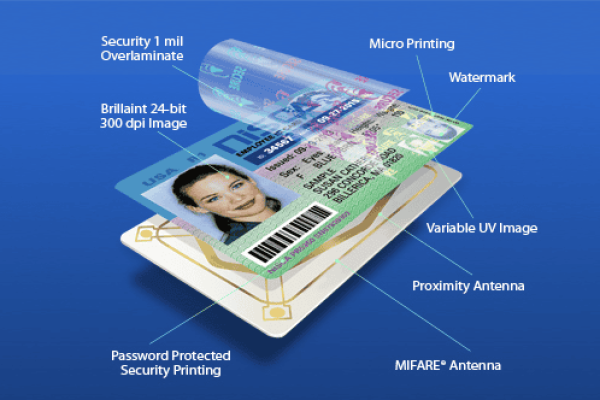
  3. Access to Advanced Technology: Outsourcing allows access to state-of-the-art printing technologies, card technologies, card chip programming, and security features, including anti-counterfeiting measures and holographic overlays. This guarantees badges of the highest quality and security standards without the upfront investment of all the technologies to do so.
  4. Unparalleled Expertise and Efficiency: With project management experience, industry experts bring a wealth of knowledge to the table. Their proficiency ensures streamlined project management, rapid turnaround times, and meticulous attention to detail, resulting in flawless execution. Let us be an extension to you and your staff! 
  5. Scalability and Flexibility: Outsourcing allows organizations to efficiently scale operations and meet fluctuating demands without sacrificing quality or timelines. It also enables the issuance of all new ID badges at once, rather than over weeks or months. Badges can also be distributed by location, department, or supervisor to streamline the issuance process
  6. Cost-Effective Operations: Transforming capital expenditures into operational expenses provides financial agility. By converting fixed overheads into variable costs, organizations can achieve significant savings. Additionally, services like same-day delivery to remote locations further enhance cost efficiency.
  7. Import-Ready Employee Data Files and Reports: Import-ready files can be customized to meet an organization’s specific needs, consolidating newly merged employee data, photos, and card details for easy uploading into systems, including but not limited to ID badging software, access control applications, and time & attendance (T&A) solutions. This approach is especially useful when information comes from multiple sources or when new cards/numbers are issued. Automating the import process saves significant time and reduces manual data entry errors, potentially cutting weeks of preparation. Additionally, reports can serve as a checklist for administrators during card distribution to ensure data accuracy across all systems.

If your organization is still on the fence about whether or not outsourcing your ID rebadging process, we encourage you to take a look at the Case Study below.

Case Study Example: Hospital Rebadging Project—The Financial Impact
of Lost Labor and Productivity

Overview
A hospital faced the challenge of updating ID badges for its 15,000 employees. While this might seem straightforward, the time required for employees to visit the ID badging office, wait for their new badge, and return to their workstation significantly disrupted daily operations. Each employee was estimated to spend at least 20 minutes on this task, including travel time, waiting in a queue, and receiving the activated ID badge.

Challenge
The hospital needed to minimize the impact on productivity while ensuring every employee received an updated, secure ID badge. The soft costs associated with this process included the time employees were away from their jobs and potential delays in critical healthcare operations due to their temporary unavailability.

Calculation of Lost Productivity

  • Number of Employees to Receive Updated ID Badges: 15,000
  • Time Lost per Employee: 20 minutes (0.33 hours)
  • Average Hourly Wage Calculated for all Employees: $35

Given these figures, the total time lost across the workforce amounted to 4,950 hours. At an average hourly wage of $35, the total lost productivity cost was approximately $173,250.

Additional Costs to the Hospital When Reissuing ID Badges
This figure represents just the soft costs associated with lost productivity. It does not include:

  • Cost of ID Card Stock and Printer Consumables: Depending on the type of ID badge printer and technology cards used, these costs can be $10 per badge or more.
  • Internal Printing Time: The time it would take internally to print 15,000 badges.
  • Wear and Tear on ID Badge Printers: Continuous use of printers for large-scale projects can lead to increased maintenance and replacement costs.

Solution: Outsourcing the Rebadging Process
To minimize the rebadging process’s significant indirect costs (soft costs), the hospital outsourced production to a specialized ID badging company, such as IDentiphoto. Although this option involves an additional fee beyond the cost of ID card production supplies, it remains more cost-effective than managing the process in-house. This decision also streamlined distribution, allowing badges to be delivered directly to departments or even specific supervisors, eliminating the need for employees to leave their workstations to visit the ID badging office.

Results
By outsourcing the rebadging process, the hospital avoided the $173,250 in lost productivity costs and ensured that the rebadging was completed with minimal disruption to daily operations. This approach allowed the hospital to focus on providing quality patient care while updating its security infrastructure efficiently.

In an era marked by constantly changing security threats and technological advancements, updating your organization’s identification solutions is more than just a modernization effort—it’s a crucial component of a robust security strategy. By partnering with experienced professionals like IDentiphoto, you can ensure that your ID badging project meets current security challenges and anticipates future needs. This proactive approach not only strengthens your organization’s security infrastructure but also enhances operational efficiency and regulatory compliance, saves significant soft costs, and brand alignment. Ready to discuss your organization’s project, security, and efficiency? Access control companies are experts in their applications, IDentiphoto is your Expert in Identification. Contact us today at (800) 860-9111 or click here to schedule your free consultation. Our experts are ready to help you assess your current ID systems and recommend solutions tailored to your unique needs.

ABOUT THE AUTHOR: With a journey spanning back to 2015, Bill Eglet is a seasoned professional who has held the position of Director of Sales in the Identification industry. Armed with a wealth of experience, Bill possesses unmatched expertise in areas such as ID badging, visitor management, and the wider scope of identification solutions. His insights provide an invaluable perspective for navigating the intricate landscape of identification technologies and industry trends, offering guidance to keep you at the forefront of the ever-evolving world of identification.

In the realm of K-12 education, safety is paramount. In today’s world, educational institutions must go beyond traditional security measures to ensure the well-being of students and staff. One critical aspect often overlooked is visitor management. As schools become hubs of community activity, maintaining a secure environment is no longer a luxury but a necessity. 

Why is visitor management so important? It’s not just about tracking who comes in and out of your campus; it’s about safeguarding the entire school community. From preventing unauthorized access to streamlining emergency responses, an effective visitor management system is the frontline defense against potential threats to students and staff at your school.

Introducing School Gate Guardian, a flexible and comprehensive solution designed to meet the unique visitor management needs of educational institutions by screening and tracking everyone who enters your school while keeping unwanted visitors out.

How does it work?

First, you’ll want to SCAN your visitor’s state-issued photo ID. Upon scanning, our state-of-the-art software captures the name, address, driver’s license number, and date of birth of your visitor. It also captures the photograph of the visitor for badge purposes.

Next, you’ll go through the SCREEN process. Following data retrieval, the School Gate Guardian System conducts a thorough comparison of visitor identities against a comprehensive national database with more than 704,000 registered sex offenders. If the system identifies a positive match, it promptly presents detailed information regarding the registered sex offender. Some pertinent details the software can identify:

  • Scars or tattoos
  • Known aliases
  • Specific crimes committed

Once the screening process has been completed, the School Gate Guardian System will instantly display the information you need to then help you DECIDE if the potential match is a ‘false positive’. In the event of a confirmed match, the system’s discreet warning system springs into action, instantly sending text messages and emails to designated personnel within your district. Moreover, this discreet alert can also be seamlessly dispatched to local law enforcement agencies.

The last step is to TRACK the visitor by printing visitor ID badges with a simple click! School Gate Guardian will seamlessly print badges that contain the visitor’s photo, name, time, person visiting, and location. The software will also generate a unique barcode for enhanced security. 

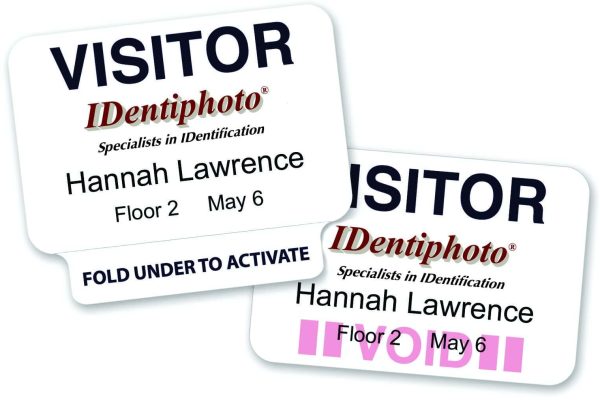
Upon checkout, the badge barcode is scanned and promptly discarded. An option is also available that automatically displays a red VOID on the visitor badge after 12 hours of issuance, effectively deterring any attempts of badge reuse across different facilities or time frames.

This four-step process includes several key features of the School Gate Guardian software. However, many other features could be important to school administrators. We’ll go through those below. There are also several options and models for you to choose from.

What are some key features of School Gate Guardian?

  • Fast & Easy School Visitor Tracking: Swift scanning and processing of state-issued IDs, time-stamped visits, and effortless logging out.
  • Instantaneous Sex Offender Checks: Daily updated data, side-by-side display of visitor and offender info, and prompt alerts to authorities.
  • Student Attendance, Tardy, and Early Dismissal: Effortless tracking, automatic calculation of tardiness, and convenient reports synced with the Student Information System (SIS).
  • Customizable Unwanted Visitor Lists: Create lists for unwelcome visitors with discreet pop-up warnings for restricted entries.
  • Alert Notifications: In emergencies, send instant and discreet alerts to key personnel, including location and reason codes. Sex offender alerts include detailed information via email.
  • Approved Student Pick-Up Lists: Electronically identify authorized individuals for student pick-up, with primary caregiver information displayed in emergencies.
  • Volunteer Application, Management, and Tracking: Streamline online applications, clearance documentation upload, background checks, and quick decision notifications.
  • Time-Expiring Visitor ID Badge Technology: Print badges with visitor details, including a photo, and expire them after 10 to 12 hours to prevent misuse.
  • Student Information System and API integrations: These are crucial for a school’s visitor management application as it ensures seamless coordination and communication between various systems, enabling efficient tracking of visitor interactions and enhancing overall security measures within the educational environment.

Every school has a set of different needs. Luckily, the School Gate Guardian system has a couple of different options. Here are the two subscription options:

  1. On-Premise Solution: If you are prioritizing data management, this option is for you. You are given full control over the data and environment.
  2. Hosted Solution: If you’re looking to minimize IT staff involvement to focus on core school functions, this is the best option for you.

If your school is looking to do more than just visitor tracking, School Gate Guardian also offers an All-In-One Solution that includes all of the above features. Additionally, the system comes with a free web-based reporting feature, ensuring secure access to reports from any computer. Still on the fence about whether this all-encompassing software is a fit for your school?

Here are a few more features and modules that may help you make your decision.

Emergency Preparedness: In times of crisis, the Emergency Management solution empowers schools to prepare for, respond to, and recover from any emergency. Advanced technology simplifies drill management, provides instant notifications to first responders, ensures accurate accounting for individuals, and streamlines the safe reunification of families.

Expedited Emergency Response: The system offers quick escalation of emergencies, enabling anyone to call 911 for immediate assistance or discreetly request help for isolated incidents. Panic buttons for teachers and staff meet Alyssa’s Law requirements, swiftly notifying safety teams, 911, and others in the event of an emergency.

School Emergency Mass Alerts: Front office staff can send instant, discreet alerts in emergencies, triggering immediate text messages and emails to key district personnel. Sex offender alerts provide detailed information via email.

Streamlined Student Reunification: Digitize the student reunification process and follow the proven practices of The “I Love U Guys” Foundation Standard Reunification Method (SRM). This helps streamline communication and the reunification process, ensuring a quick and confident response in times of crisis.

Student Attendance and Tardy Tracking: With School Gate Guardian, easily track student attendance, tardiness, and early dismissals. Take attendance at the front door, automatically calculate tardiness minutes, and confidently release students to approved guardians.

SIS & API Integration: Continuous syncing ensures critical information about students and staff is always up to date. The software easily integrates with your Student Information System (SIS), eliminating the need for manual downloads of student data and approved guardian lists. The system supports integration with various SIS systems, including eSchoolData, Power School, and Skyward.

Additional Classroom Security Solution – Patented Classroom Door Barricade: The patented Classroom Guardian effectively secures classroom doors, preventing unwanted entry. Its innovative Drop and Lock design spans door frame to door frame, keeping students and teachers safe and intruders or active shooters out of the classroom. It’s ADA-compliant, fast to engage, and provides strong and secure protection. This feature is not part of the School Gate Guardian software but can be purchased for the classroom.

In conclusion, School Gate Guardian is not just a visitor management system; it’s a holistic solution that addresses the diverse needs of K-12 schools, ensuring a safer and more secure educational environment. Ready to discuss your school’s needs? We’re excited and here to help.

Feeling unsure about where to begin? Take the next step by calling, (800) 860-9111or reaching out to us to via the link speak with an ID consultant today! Whether you’re seeking guidance on initiating the process or interested in scheduling a demo, we’re here to assist you every step of the way.

ABOUT THE AUTHOR: With a journey spanning back to 2015, Bill Eglet is a seasoned professional who has held the position of Director of Sales in the Identification industry. Armed with a wealth of experience, Bill possesses unmatched expertise in areas such as ID badging, visitor management, and the wider scope of identification solutions. His insights provide an invaluable perspective for navigating the intricate landscape of identification technologies and industry trends, offering guidance to keep you at the forefront of the ever-evolving world of identification.

In today’s modern world, identification badges are crucial in enhancing security, streamlining processes, and establishing brand identity. Whether you’re a small business, an educational institution, or a large corporation, choosing the right ID badge printer is a decision that warrants careful consideration. The market offers a variety of options, including direct-to-card printers and retransfer printers, each equipped with different features to meet your specific needs.

In this article, we’ll explore the key factors to consider when selecting an ID badge printer and delve into the benefits of these various features such as in-line encoding of technology cards and lamination of ID cards. These considerations can significantly elevate the functionality and durability of your ID badges.

1. Software Compatibility and Features

When choosing an ID badge printer, ID badging software capabilities and features are critical for several key reasons. The accompanying software is essential for efficiently designing, customizing, and managing ID badges. Robust software facilitates seamless integration with existing databases and systems, streamlining badge creation and updates. It also enables incorporating critical security features like biometrics and QR codes to protect sensitive information and ensure badge authenticity.

Software capabilities directly impact the printer’s functionality and versatility. Comprehensive software packages often provide design tools, templates, and data encoding options, allowing users to create badges tailored to specific needs, whether for employee identification, access control, or visitor management. Advanced software can also streamline batch printing, making it indispensable for organizations requiring frequent badge production.

In our interconnected world, features like remote access and cloud-based management are also crucial, enhancing operational efficiency and security while simplifying the oversight of multiple printers across various locations. In summary, software capability and features significantly influence ID badge printer performance and contribute to the overall security and efficiency of an organization’s identification and access control system.

2. Printing Technology: Direct-to-Card vs. Retransfer Printers

Choosing between direct-to-card and retransfer printers is the foundational decision when selecting an ID badge printer. Each technology has its own advantages and suits different requirements:

Direct-to-Card Printers: As the name suggests, direct-to-card printers print images directly onto the card’s surface. They are generally more affordable and suitable for organizations with basic ID badge printing needs. These printers operate efficiently and are faster than retransfer printers, making them a great choice when speed is a priority. However, it’s important to note that they may have limitations in terms of print quality, especially for intricate designs or when printing on technology cards with uneven surfaces.

If your organization requires high-resolution images or needs to print on technology cards that have raised elements, a direct-to-card printer might not provide the level of detail and precision that a retransfer printer can offer. Evaluating your printing requirements and choosing a printer that aligns with your specific needs is crucial.

Retransfer Printers: Retransfer printers, such as the HID HDP6600, offer superior print quality and can print on various card materials, including technology cards with irregular surfaces. They utilize a two-step process where the image is first printed onto a clear film and then thermally transferred onto the card’s surface. This unique process allows retransfer printers to print over the edge of the card, ensuring seamless and edge-to-edge coverage of the design.

This feature makes retransfer printers an excellent choice when printing on dual technology cards, such as those with a smart card containing a proximity chip. The printing process of retransfer printers is not impacted by small variations in the card’s surface, which may occur where the chip is located. Consequently, the printed image remains consistent and precise, even when printed over uneven card areas.

Moreover, because the printer prints on the film before adhering to the card, the printer’s delicate components remain shielded from potential damage caused by direct contact with the card surface. This safeguard ensures impeccable image clarity and extends the longevity of the printer and the resulting ID card. This attribute, combined with the ability to print over the card’s edge and handle uneven surfaces, positions retransfer printers as the top choice for organizations seeking superior-quality prints on technology-rich cards. Whether your requirements involve intricate designs or advanced security features, retransfer printers consistently deliver exceptional results, upholding the overall quality of the final product.

3. Print Volume and Speed: What To Consider?

When choosing a printer, it is important to consider your organization’s printing volume. For high-volume requirements, you’ll want to invest in a printer with faster printing speeds, such as the Zebra ZXP7. Choosing an ID Badge Printer with faster printing speeds will ensure efficiency and productivity, two things that are important when it comes to your ID badge program.

Direct-to-card printers are often preferred for large-scale printing due to their faster output and consistent quality. We offer several DTC ID Badge Printer options, including our best sellers the Zebra ZC300 and the Fargo DTC 1500.

4. Encoding Capabilities: In-Line Encoding of Technology Cards

Many modern ID badges incorporate technology components such as magnetic stripes and RFID chips for enhanced functionality. In-line encoding in ID badge printing refers to the process of encoding data onto the badge, such as magnetic stripes or smart card chips, as part of the printing process without requiring a separate manual step. This feature streamlines the badge production process by eliminating the need for separate encoding steps, reducing the risk of errors and improving overall efficiency.

5. Lamination: Enhanced Durability and Security

Lamination involves applying a protective layer over the printed ID badge, enhancing its durability, and safeguarding it against wear and tear. Laminated badges are more resistant to fading, scratching, and moisture, making them ideal for long-term use. Additionally, lamination can incorporate holographic overlays or other security features, which help prevent counterfeiting and unauthorized duplication.

6. Cost Considerations

While it’s essential to choose a printer that meets your requirements, budget considerations are also crucial. Factor in not only the initial printer cost but also ongoing expenses such as consumables (ribbons, cards, laminates) and maintenance.

7. Customer Support and Warranty

Select a reputable brand that offers reliable customer support and a comprehensive warranty. This ensures that you have access to assistance in case of technical issues and guarantees the longevity of your investment.

In conclusion, selecting the right ID badge printer involves carefully analyzing your organization’s needs and goals. The choice between direct-to-card and retransfer printers depends on factors such as print quality, volume, and the presence of technology components. In-line encoding and lamination are key features that enhance functionality, durability, and security. By considering these factors, you can make an informed decision that aligns with your organization’s requirements and ensures the production of high-quality, effective ID badges.

IDentiphoto can provide you with everything you need to select the correct ID badge printer, and get your program up and running, including configuration and training for your staff.  In addition, IDentiphoto is a full-service dealer that can provide all the components you need to set up or maintain your ID program.

Not sure where to start? Contact us to speak to an ID consultant today!

ABOUT THE AUTHOR: With a journey spanning back to 2015, Bill Eglet is a seasoned professional who has held the position of Director of Sales in the Identification industry. Armed with a wealth of experience, Bill possesses unmatched expertise in areas such as ID badging, visitor management, and the wider scope of identification solutions. His insights provide an invaluable perspective for navigating the intricate landscape of identification technologies and industry trends, offering guidance to keep you at the forefront of the ever-evolving world of identification.

In today’s rapidly evolving world, organizations are seeking innovative solutions to enhance the functionality of their ID cards to streamline processes. One trend gaining momentum is the combination of multiple card technologies into a single card that will work in additional systems, including outdated legacy systems that may need to be phased out. From increased convenience to improved security, cost savings, and scalability, this approach offers a multitude of benefits.

Consider combining the following card types into one easy-to-carry card – Photo ID, Contact and Contactless Smart cards, Prox, Mag stripe, and barcode cards. If your employees, contractors, or students carry different cards with these technologies, you can save valuable time, money, and resources by issuing and using a single card. 

This approach offers numerous benefits. Most importantly, combining card technologies will help extend the functionality of ID cards beyond access control alone—you’ll no longer need to carry more than one card to work in different systems.

In this article, we will explore the advantages of combining different technologies in ID cards, including increased convenience, improved security, cost savings, and scalability. Additionally, we will delve into the versatility of technology cards and their applications in various domains, such as time and attendance management, healthcare systems, cashless payments, visitor management, public transportation, event management, and asset tracking.

Reasons to Combine Technologies from Multiple Cards

  1. Increased Convenience: By integrating multiple card technologies into a single card, organizations provide enhanced convenience for individuals. This consolidation eliminates the need for carrying multiple cards, saving time, and simplifying authentication processes.
  2. Improved Security: Combining card technologies strengthens security measures by implementing advanced features that are difficult to replicate. For instance, integrating a smart card with biometric technology ensures that only authorized individuals can access restricted areas.
  3. Cost Savings: Consolidating card technologies into one card reduces expenses associated with production, issuance, and maintenance. It streamlines processes, eliminating the need for issuing multiple cards and reducing long-term costs.
  4. Scalability: Organizations can easily scale multiple systems by integrating multiple technologies into one card. This adaptability allows for the addition or removal of functionalities based on changing requirements without disrupting operations or incurring infrastructure expenses. This can be helpful when switching from a legacy system, as rollouts can typically happen in stages.

It is becoming common for ID cards with technologies like HID SEOS to offer versatility beyond access control systems. Here are several examples of their applications:

  1. Time and Attendance Management: Automate time tracking, streamline attendance management processes, and simplify payroll calculations.
  2. Healthcare Systems: Enhance patient safety and streamline administrative tasks with patient identification, medical record management, and medication administration.
  3. Cashless Payments: Facilitate quick and convenient transactions in various settings like campuses, parks, or cafeterias.
  4. Visitor Management: Enhance security by providing secure identification for temporary guests, controlling access permissions, and tracking movements.
  5. Public Transportation: Revolutionize fare collection and access control for seamless commuting experiences.
  6. Event Management: Facilitate efficient event registration, access control, and crowd management.
  7. Asset Tracking: Enable efficient tracking of valuable assets, improving inventory control and reducing losses.

As we’ve discussed in this blog, combining other card technologies with your access control cards can have significant benefits for organizations. Increased convenience, improved security, cost savings, and scalability are among the many advantages. Moreover, RFID ID cards find versatile applications in various domains, extending their use cases beyond access control. By embracing the power of combined technologies on ID cards, organizations can optimize their access control cards and unlock a world of possibilities.

Ready to optimize the use of your ID cards? We highly recommend working with one of our experts to determine what solutions best fit your business needs. IDentiphoto can provide everything you need to combine your card technologies onto a single card. This streamlining enhances efficiency and effectiveness, minimizing administrative tasks and costs. If you’re unfamiliar with our offerings, please visit our ID Cards page to browse options.

Contact an ID Consultant Today.

ABOUT THE AUTHOR: With a journey spanning back to 2015, Bill Eglet is a seasoned professional who has held the position of Director of Sales in the Identification industry. Armed with a wealth of experience, Bill possesses unmatched expertise in areas such as ID badging, visitor management, and the wider scope of identification solutions. His insights provide an invaluable perspective for navigating the intricate landscape of identification technologies and industry trends, offering guidance to keep you at the forefront of the ever-evolving world of identification.

In today’s fast-paced world, effective visitor management solutions are essential for maintaining security and streamlining processes in various settings, including corporate offices, educational institutions, healthcare facilities, and other venues. Traditional paper-based visitor badges often fall short in terms of efficiency and security. However, by incorporating time-dependent visitor badges or expiring labels, visitor management systems can significantly enhance their effectiveness.

In this blog post, we will explore the benefits of using time-dependent badges and how they can revolutionize visitor management at your organization. Before we dive into the benefits, we wanted to remind you that adding expiring badges to your visitor management solution is not a complicated process. You can keep your current solution and add all the benefits of expiring badges by simply purchasing new label stock with proprietary technology. Now, let’s dive in:

  1. Improved Security

Time-dependent badges provide an added layer of security to visitor management systems. These badges are designed to visually change color over specified times (i.e. 24 hours), ensuring that visitors are easily identifiable and unauthorized access is minimized. By using time-dependent labels, organizations can easily differentiate between authorized visitors and those who may have overstayed their welcome. This feature acts as a deterrent for potential security breaches and allows security personnel to promptly identify visitors whose badges have expired.

  1. Efficient Visitor Monitoring

With time-dependent badges, monitoring and tracking visitor movement becomes much more streamlined. Visitor management solutions utilizing these specialized labels allow staff to visually see the badge status based on the set expiration time. Security personnel can then easily identify visitors with expired badges and take appropriate action, such as denying access or escorting them out of the premises. This real-time monitoring capability enhances overall security and helps maintain a controlled and safe environment.

  1. Enhanced Visitor Experience

Time-dependent badges contribute to a positive visitor experience by simplifying the check-in and check-out process. Visitors no longer need to worry about returning their badges upon leaving, as the time-dependent labels automatically become invalid after the designated time period. This eliminates the need for manual collection and ensures a hassle-free experience for visitors, promoting a positive brand image for the organization.

  1. Regulatory Compliance

Regulatory compliance is of utmost importance in certain industries, such as healthcare and education. Time-dependent badges assist organizations in adhering to compliance requirements by enforcing visitor policies and procedures. For instance, hospitals and healthcare facilities often have strict visiting hours and limitations on the duration of visits. By implementing time-dependent badges, staff can easily monitor and enforce these policies, ensuring regulatory compliance while maintaining patient privacy and safety.

  1. Customization and Flexibility

Organizations can customize time-dependent badges to meet specific requirements, such as color coding and varying expiration durations based on visitor type or access levels. This flexibility allows businesses to tailor the system to their unique needs, ensuring optimal functionality and user satisfaction.

  1. Increased Peace of Mind

Knowing that the visitor management system utilizes time-dependent badges gives employees peace of mind, allowing them to focus on their tasks without concerns about unauthorized access or prolonged visitor presence. It’s really a win-win for both the organization and its staff.

Time-dependent or expiring badges and labels are a valuable addition to modern visitor management solutions such as HID Safe Visitor Manager. By incorporating these labels, organizations can enhance security, improve the visitor experience, maintain regulatory compliance, and streamline processes. The real-time monitoring and automation capabilities of time-dependent badges provide organizations with greater control over visitor access and contribute to a safer and more efficient environment. When considering a visitor management system, it is important to evaluate the availability of time-dependent badge features and select a solution that aligns with your organization’s specific needs and goals.

Not sure where to begin? We highly recommend working with one of our experts to determine what solutions best fit your business needs. IDentiphoto can provide you with everything you need to get your visitor management system up and running, including configuration and training for your staff. If you’re unfamiliar with our offerings, please visit our Visitor Management Software page to browse options.

Contact an ID Consultant Today.

In today’s fast-paced world, colleges and universities are always looking for ways to improve their security measures and streamline their processes. HID Fargo Connect is an innovative solution that brings all the elements of a secure card issuance program into one cloud-based platform.

Having one solution for your secure ID program reduces complexity by providing end-to-end visibility, increased efficiency, and better security measures. How does HID Fargo Connect make this happen?

HID Fargo Connect integrates everything: hardware, software, consumables, and services—and best of all, it’s designed to integrate with popular access control and university One Card solutions such as Atrium™ and CBORD®. College administrators can design card templates, capture data, personalize, and securely issue ID cards from anywhere using any supported device. Plus, with the platform’s real-time dashboard, administrators get full printer visibility and control, eliminating consumables out-of-stock issues.

Here are some of the key features of HID Fargo Connect that make it the ideal solution for colleges and universities.

Efficiency and Flexibility:

  • HID Fargo Connect is a cloud-based platform that integrates everything including hardware, software, consumables, and services.
  • Streamlined administrator experience by integrating with popular access control and university One Card solutions such as Atrium™ and CBORD®.
  • Design card templates, capture data, personalize, and securely issue ID cards from anywhere using any supported device.
  • Full printer visibility and control via a real-time dashboard, eliminating consumables out-of-stock issues. Never run out of supplies again!
  • Encoding or reading of technology cards can occur while the card is printing, eliminating manual processes to assign the card to students and staff and saving time.
  • Eliminates the need for card office-dedicated PCs and their associated costs and maintenance.

Security:

  • HID Fargo Connect employs a security strategy with multiple layers, specifically designed to make it simple to implement in a distributed setting.
  • Fargo card printers become smart, secure, web-enabled devices capable of leveraging all the functionality of the Fargo Connect platform.
  • Rigid security standards ensure data transfers are always encrypted using banking level certificate-based encryption protocols.
  • Designed with FERPA, GDPR, and HIPAA regulations in mind, the system only allows for transient, non-persistent personally identifiable information (PII).

Cost Savings:

  • HID Fargo Connect allows for the centralized visibility of printer status and can automatically update from the cloud versus IT personnel manually updating.
  • Eliminates the need for costly, high-maintenance, dedicated PCs.
  • Eradicates expensive card shipping fees and security concerns with the Secure Print feature.

Remote Access:

  • HID Fargo Connect is the ideal solution for distributed organizations that need to release remote print jobs on demand.
  • Operators can log into the platform from their chosen device, just as they would with any other web- or cloud-based application.
  • IDs and cards remain secure and are never accessible to unauthorized individuals.


Flexibility is key with HID Fargo Connect, which is why universities and organizations have chosen to make the upgrade to a cloud-based ID Card Printing Solution. One of the most flexible features of Fargo Connect is the ability to manage supply and issue ID cards from any device (desktop, laptop, iPad, or any other internet-connected mobile device) or location. Additionally, Fargo Connect offers several integrations to help streamline your card issuance processes, allowing for easy, one-step Smart Card personalization and more. For the full list of integrations, click here.

By using HID Fargo Connect, administrators can eliminate multiple layers of program costs, eliminate the need for costly, high-maintenance, dedicated PCs, and eradicate expensive card shipping fees and security concerns. To learn more about HID Fargo Connect and how it can benefit your college or university, visit our website or contact our sales team today.

In addition to the HID Fargo Connect badging application, you will need an ID Badge Printer, a Photo Capturing device, Printer Ribbon, and Cards to get started. Not sure where to begin? We highly recommend working with one of our experts to determine what solutions best fit your business needs.

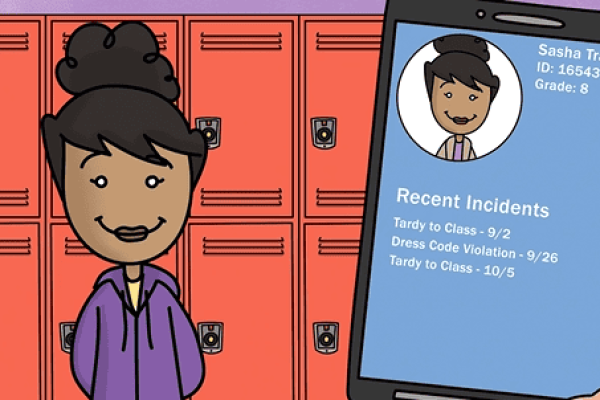
Search for a student in 2 seconds. Print a hall pass in 7 seconds. Process over 300 students per hour. Can you imagine having all that extra time? PerfectPass, an innovative K-12 behavior tracking system, streamlines the process of issuing tardies/violations, assigning detentions, and printing slips leaving you extra time to focus on the students.

PerfectPass has a range of features that help schools manage student behavior more efficiently. One of the biggest standout features of this system is that it’s web-based—say goodbye to manually filling out paper slips. This easy-to-use system also comes with automatic rollouts of new releases and features, which ensures that schools always have access to the latest version. Additionally, PerfectPass offers support for different schedule types such as Block Schedules or Day 1/Day 2 Schedules, making it a versatile solution for schools. 

Here are some additional key features of PerfectPass that can help your school: 

  •  Kiosk-Mode feature that locks down functionality to a simple scan and assign 
  •  Parental/Administrator Notifications through e-mail and SMS 
  •  Option to attach notes to a specific incident, providing more information about the context
  •  Easier way to archive data based on year or semester 
  •  Powerful reporting, allowing users to input parameters and tailor reports to suit their needs 
  •  Mobile application that runs on iOS devices, with support for Android in the future 

What are the benefits for schools?

Many schools see immediate value in automating the process of issuing tardy slips using PerfectPass. How so? First, it eliminates the long lines of students waiting for tardy passes, allowing them to get to their classes quickly and without delay. This, in turn, minimizes classroom disruptions and promotes a better learning environment. Additionally, automating the process saves time for the administration staff by eliminating the manual process of filling out tardy passes, allowing them to focus on other duties that require their attention. As a result, it improves the overall efficiency and productivity of the school administration.

What are the benefits for parents/guardians?

Parents often want to know about their children’s behavior at school. What’s great about PerfectPass is that it supports e-mail and SMS notifications for incidents and detentions, which provides an effective way for schools to notify parents or administrators. In addition, there’s an option to attach notes to a specific incident, which provides more information about the context. That can also be helpful to parents when addressing their child’s behavior. This feature can also help schools better understand the reason behind a tardy, violation, or other incidents, enabling them to take appropriate measures, if necessary. 

Other helpful features

PerfectPass offers an easy way to archive data based on year or semester. This can be helpful when you need to access data from previous years for comparison. The system also provides improved reporting, allowing users to input specific parameters and tailor reports to suit their needs.

Finally, PerfectPass has a mobile application that runs on iOS devices and will support Android in the future. The mobile application allows users to check students into detention directly from the app, and includes an option to attach notes to a specific incident, providing more context about the incident. 

So, is PerfectPass for you? If you’re looking to simplify the process of issuing tardies/violations, assigning detentions, and printing slips, the answer is yes. Its many features and functionalities, such as support for different schedule types, parental/administrator notifications, powerful reporting, and a mobile application, make it an excellent addition to any school’s infrastructure.

Not sure where to begin? We highly recommend working with one of our experts to determine what solutions best fit your business needs.

IDentiphoto can provide you with everything you need to get your student accountability program up and running, including configuration and training for your staff.  In addition, IDentiphoto is a full-service dealer that can provide all the components you need to set up or maintain your ID program. If you are not familiar with the ID production process, you will need ID Personalization Software, an ID Badge Printer,  Printer RibbonID Cards to print on, and a Photo Capture Device if you plan to include pictures on your badges to get started.

Contact an ID Consultant Today

Are you interested in streamlining all the elements of your secure card issuance program into one centralized system? HID Fargo Connect might be the solution you are looking for. HID Fargo Connect is a cloud-based card issuance platform designed to simplify and streamline the card issuance process for organizations of all sizes. How, you ask? The platform has a wide range of benefits that can help corporations, government agencies, healthcare facilities, and more.

In this blog, we’ll explore the key differentiators of HID Fargo Connect, how it works, the ROI organizations can expect, and the hardware needed to get started. 

Key Differentiators of HID Fargo Connect 

One of the primary differentiators of HID Fargo Connect is its cloud-based infrastructure. This means that organizations can access the platform from anywhere, as long as they have an internet connection. This is particularly beneficial for organizations with multiple locations or remote workers, as it eliminates the need for physical card issuance equipment at every location. 

Another key differentiator is the platform’s ease of use. HID Fargo Connect is designed to be intuitive and user-friendly, even for individuals who are not technically inclined. This means that organizations can save time and money on training, as employees can quickly learn how to use the platform with minimal assistance. 

Finally, HID Fargo Connect offers a high level of security. The platform uses advanced encryption and authentication protocols to ensure that sensitive data is always protected. This is particularly important for organizations that deal with sensitive information, such as healthcare facilities or government agencies. 

How HID Fargo Connect Works 

HID Fargo Connect works by allowing organizations to design and issue cards from a central platform. This means that organizations can create a wide range of cards, including employee ID cards, access control cards, and more, all from one location. Once the cards are designed, they can be printed and encoded remotely, by the organization’s ID card printing equipment regardless of where it is located. 

Organizations can also integrate HID Fargo Connect with their existing systems, such as HR or access control systems, to further streamline the card issuance process. This integration ensures that all the necessary data, such as employee or member information, is automatically transferred to HID Fargo Connect, eliminating the need for manual data entry. 

There are additional integrations being completed all of the time but some current integrations include:

  • Access Control
    • Genetec – Versions – 5.8+
    • AMAG Technology – Versions – 9.3+
    • Johnson Controls CCURE– Versions – 2.7+
    • S2 Security – Versions – 5.1+
    • RS2 Technologies – Current Version
    • Lenel – Versions – 7.4+, 8
    • Software House CCURE 9000– Versions – 2.9+
  • Identity Management
    • HID SAFE
    • CardExchange Cloud

ROI for Organizations 

HID Fargo Connect offers a number of benefits for organizations, including increased efficiency, reduced costs, and improved security. By centralizing the card issuance process, organizations can save time and money on printing and distributing cards. They can also reduce the risk of errors or security breaches, as all card data is stored in a secure, encrypted cloud-based platform. 

Conclusion 

HID Fargo Connect is a powerful card issuance platform that offers a wide range of benefits for organizations of all sizes. With its cloud-based infrastructure, ease of use, and high level of security, HID Fargo Connect can help organizations streamline their card issuance process, reduce costs, and improve efficiency. By centralizing card issuance, organizations can save time and money while also increasing revenue through new revenue streams. With the right hardware in place, organizations can easily integrate HID Fargo Connect into their existing systems and start enjoying its many benefits. 

Not sure where to begin? We highly recommend working with one of our experts to determine what solutions best fit your business needs.

IDentiphoto is a full-service dealer that can provide all the components you need to set up or maintain your ID program. If you are not familiar with the ID production process, you will need ID Personalization Software, an ID Badge Printer,  Printer RibbonID Cards to print on, and a Photo Capture Device if you plan to include pictures on your badges to get started.

Contact an ID Consultant Today